Price Question
The buyer wants to know if the project is in range before they call.
INSTANT ESTIMATE TOOLS
Instant Estimate Tools give service-business buyers useful price direction before they call, then turn that moment into a better-routed lead with service, scope, location, timing and contact context attached.
Your buyer already has the price question in their head. If your website refuses to answer it, they keep looking.
The buyer wants to know if the project is in range before they call.
The page gives useful guidance without publishing the private pricing model.
The business receives service, scope, timing and location signals.
The request moves into SMS, email, voice or internal routing while intent is still active.
THE PROBLEM
A serious buyer does not always want to call first. Sometimes they want to know if the project is in range, if the business handles their type of work and whether the next step is worth taking.
A brochure site makes them guess. A generic form makes them wait. A phone number alone pushes too much work onto the buyer. That is where leads disappear.
WHAT IT IS
Instant Estimate Tools are website paths inside a Smart Website Pro Digital Home. They answer price curiosity with useful direction, collect the context a real quote needs and route the request into follow-up before the buyer cools off. They help the buyer keep moving without turning the website into a public rate sheet.
WHO THIS IS BUILT FOR
Visitors want to know if the project is in range before they call. If the site refuses to answer, they keep comparing until someone else gives them useful direction.
A name, phone number and vague message are not enough. Estimate paths collect the service, scope, location and timing signals your team needs before follow-up.
You can answer the price question without publishing exact formulas, rates or margins. The page gives guidance while the private business rules stay private.
The first conversation should not begin with basic discovery. A better estimate path lets the buyer raise their hand with context already attached.
DIGITAL HOME FIT
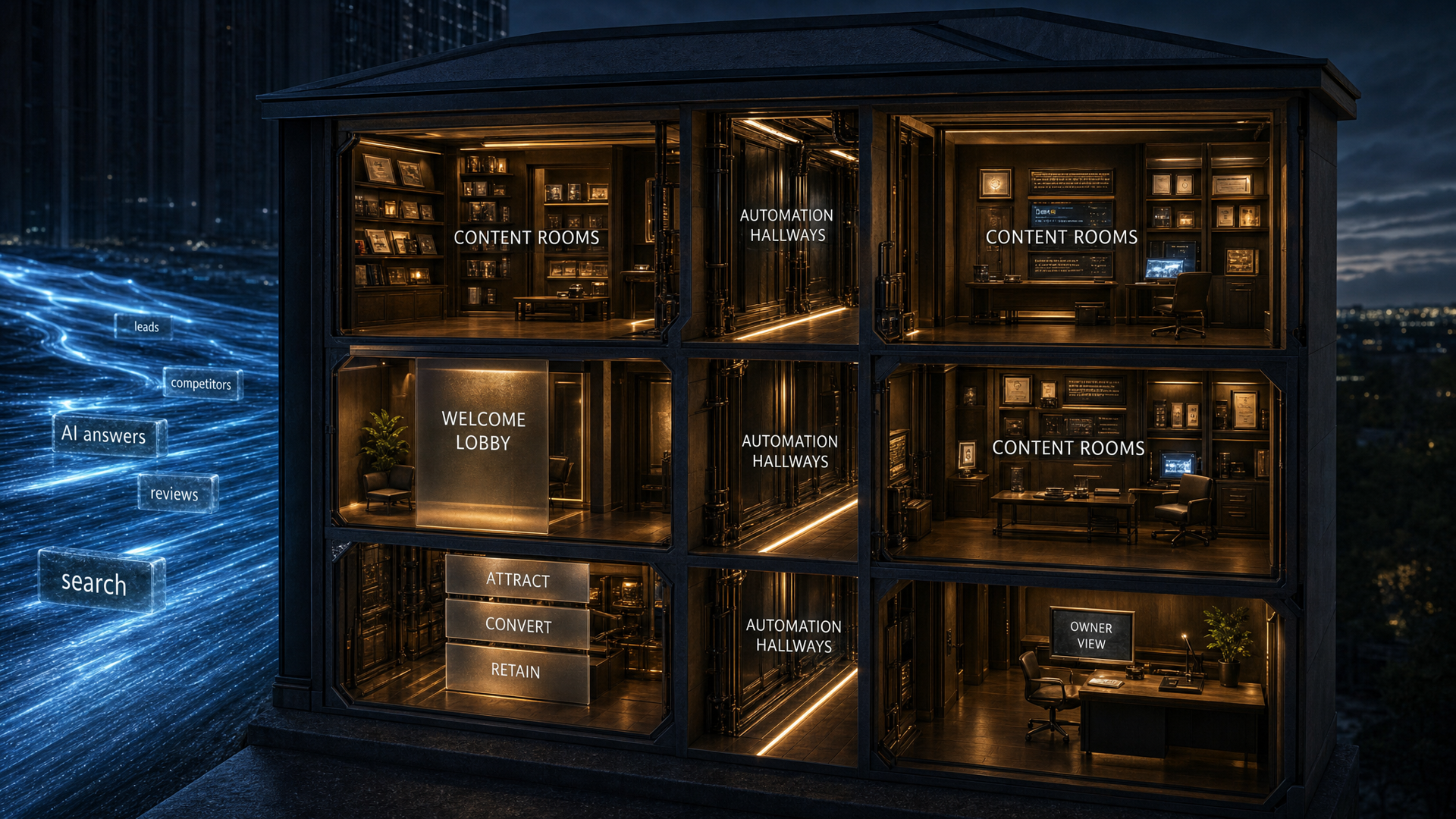
Instant Estimate Tools sit inside the Convert layer of your Digital Home. They work because Attract, Convert and Retain are connected instead of treated like separate marketing chores.
The right visitor lands on a page that answers the question already in their head.
The estimate path gives useful direction and turns curiosity into a warmer lead.
Follow-up keeps moving through the right channel before the opportunity cools off.
THE MECHANISM
The tool gives the visitor useful estimate guidance, not a final quote. It can account for service type, area served, project category, timing and basic scope signals. The public page stays simple. The private business logic stays private.
The buyer gets clarity. The business gets context.

LEAD QUALITY
When someone finishes an estimate request, they have told you more than a normal form ever asks for. They have shown what they want, where they are, how soon they care and what kind of project they are thinking about.
That helps your team respond like they know what is going on.
FOLLOW-UP
The estimate request should not sit in an inbox. Depending on the business setup, follow-up can move through SMS, email, outbound voice agents, field-service workflows and internal workflows.
The point is simple: the right people get the right context fast. That is how a website starts acting like part of the sales process.
PRICE DIRECTION, NOT PRICE PROMISE
Instant Estimate Tools do not replace a sales call, inspection, field visit, or approved quote. They help serious buyers raise their hand with more context, so the next conversation starts further along.
SIGNS YOU NEED IT
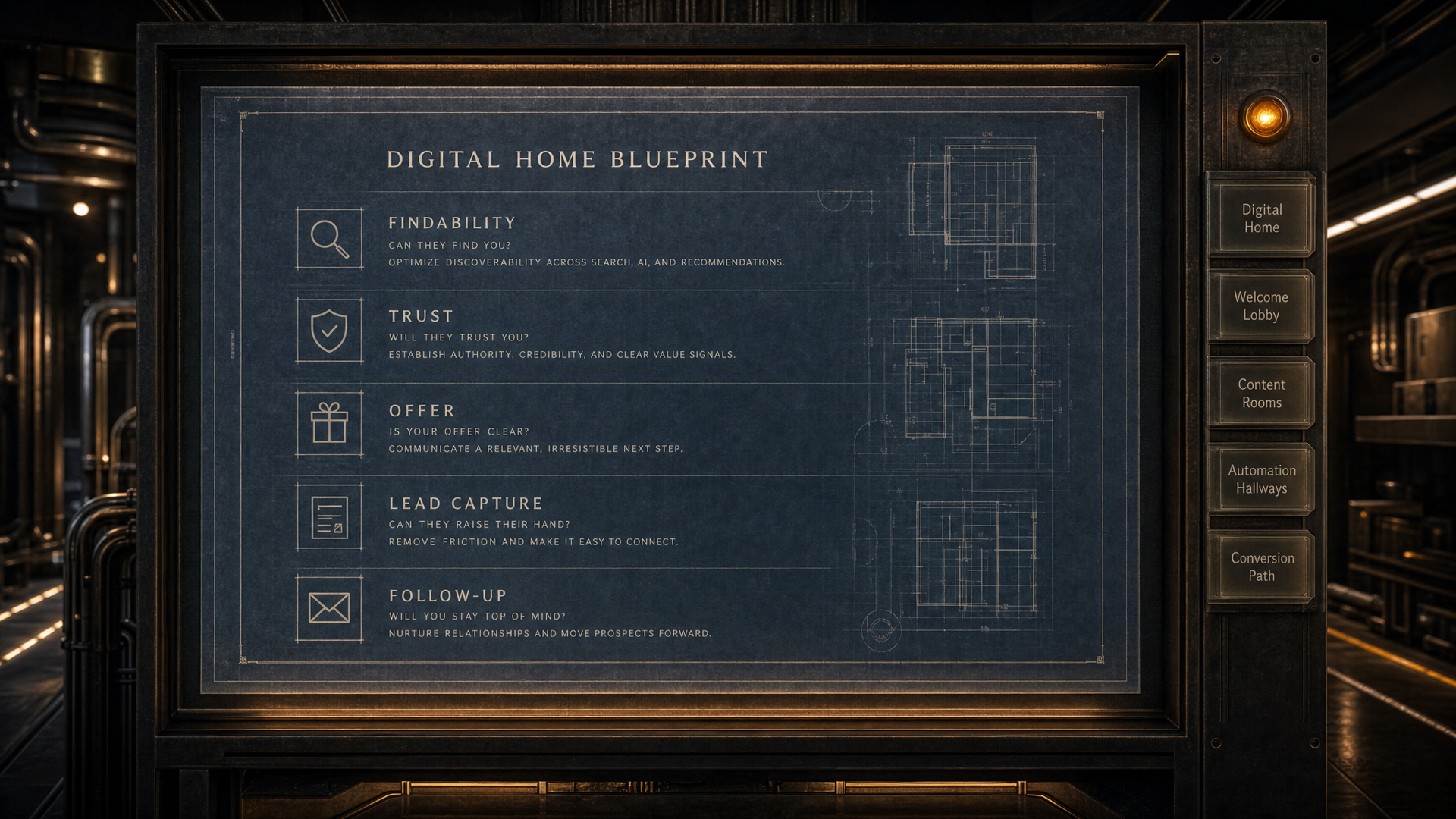
The Digital Home Blueprint should surface these patterns before an estimate path is planned, written or wired into follow-up.
SCOPE FACTORS
Scope depends on the number of estimate paths, question logic, service categories, routing needs, follow-up channels and how much page copy needs to be built around the tool.
WHAT IS ALWAYS INCLUDED
Every build starts with the buyer's question, the business rules that protect pricing and the follow-up path that makes the lead useful after submission.
Start with a BlueprintSERVICE BUSINESSES
This works best when buyers need help understanding range, fit, or next steps before they talk to the business.
STRAIGHT ANSWERS
Instant Estimate Tools are website paths that give service-business buyers useful price direction before they call. They collect service, scope, location, timing and contact context so the business can follow up with a warmer lead.
No. They provide useful guidance, range or fit direction. Final quotes still depend on inspection, materials, project details, availability and approval from the business.
They are built for service businesses where buyers often ask about price before taking the next step. Roofing, HVAC, plumbing, electrical, remodeling and similar categories are strong fits.
The page can ask useful questions and show guidance without exposing formulas, margins or exact rate tables. The buyer gets clarity. The private logic stays private.
Most estimate paths collect service type, project scope, location fit, timing, contact preference and buyer notes. The exact questions depend on the business and service category.
Instant Estimate Tools sit in the Convert layer. The service page attracts the right visitor, the estimate path captures intent and follow-up keeps the opportunity moving.
Yes. The Digital Home Blueprint shows whether the current site has the right service pages, buyer questions, capture paths and follow-up structure before the estimate tool is scoped.
Scope depends on how many estimate paths are needed, how complex the questions are, what follow-up channels are connected and how much page copy or routing needs to be built.
START WITH THE BLUEPRINT
If your site gets visitors but does not turn enough of them into real conversations, the issue may not be traffic. It may be the path.
Start with the Digital Home Blueprint and see where estimate pages, lead capture and follow-up should fit.